Gate Upgrades, Retrofits and Access Control

Keeping Washington SECURED since 1979.

Sometimes a gate needs more than a repair. The structure may still have years of life left, while the operator, access control, or safety equipment has become outdated or no longer fits the way the property is used.

Operators and motors wear out. Access control becomes obsolete. Safety requirements change. Properties get busier. The good news is that none of those things automatically mean replacing the gate itself. If the structure is sound, the equipment around it can often be upgraded while the gate stays in place.

Trinity Gate repairs, maintains, and upgrades automated gates across Washington, including new operators, access control, safety equipment, UL 325 retrofits.

Request ServiceCall Now
Google star 1Google star 2Google star 3Google star 4Google star 5
4.8
verified by Trustindex
Trustindex verifies that the company has a review score above 4.5, based on reviews collected on Google over the past 12 months, qualifying it to receive the Top Rated Certificate.

Bringing an Existing Gate Up to Date

Modernizing a gate rarely means starting over. The gate and the equipment attached to it age on different timelines. A structurally sound gate can often stay in place while an outdated operator, access control system, or safety equipment is replaced around it.

Operator and Motor Upgrades

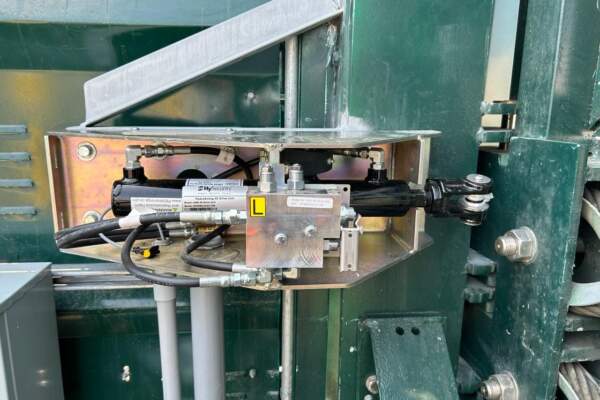
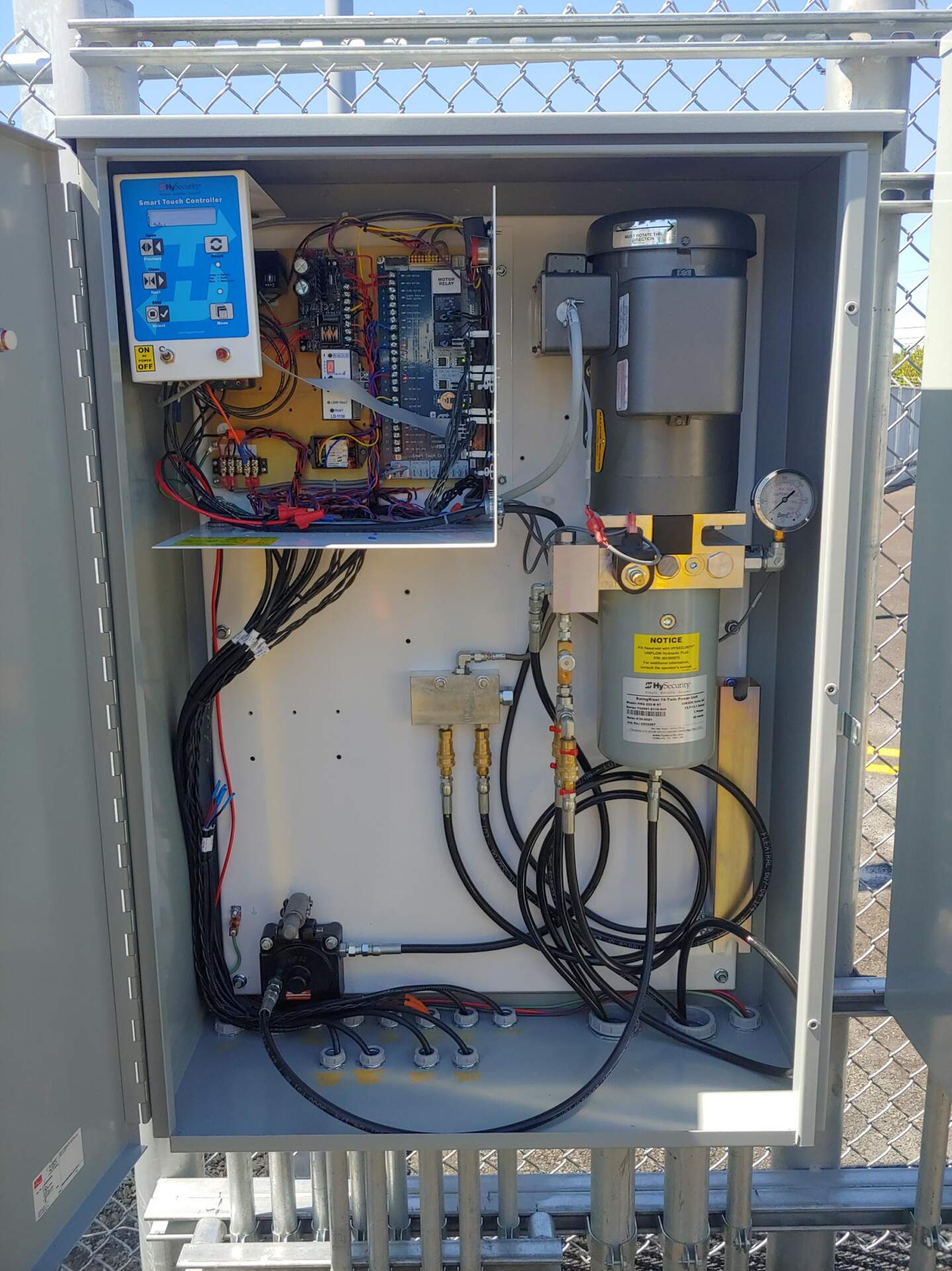
Operators are rated for different amounts of traffic. If a property has added tenants, employees, deliveries, or daily visitors, an operator sized for the old traffic pattern may now be doing more work than it was built to handle.

Age matters too. Once an operator is obsolete or discontinued, parts become harder to source and repeated repairs make less sense. If the same component has needed attention more than once, it is worth looking at the system as a whole rather than continuing to fix one failure at a time. If the gate has stopped working altogether, start with gate repair and gate maintenance. An upgrade makes sense when the existing equipment still works but has become obsolete, undersized, or impractical.

Automating an Existing Manual Gate

A manual gate can sometimes be automated, but this is a new installation, not a retrofit. Automation needs more than an operator. It usually needs power run to the gate, trenching and conduit, a suitable pad or mounting, controls, and the safety equipment UL 325 requires. Most properties with a manual gate do not have that infrastructure in place. If a site cannot support the equipment, we will tell you that before you spend money on it.

Upgrading Obsolete Equipment

A working system can still be nearing the end of its useful life if the manufacturer has discontinued it or replacement parts are becoming difficult to find. That does not mean replacing equipment simply because it is old. It means considering availability before the next failure turns a straightforward repair into a long search for obsolete components.

Solar Power Upgrades

Solar can work well where the gate gets enough direct sunlight. Heavy tree cover changes that calculation. Before converting an existing gate to solar power, look at the actual sun exposure around the operator throughout the year. A location that gets plenty of summer sun may perform very differently through a Washington winter.

Access Control Upgrades

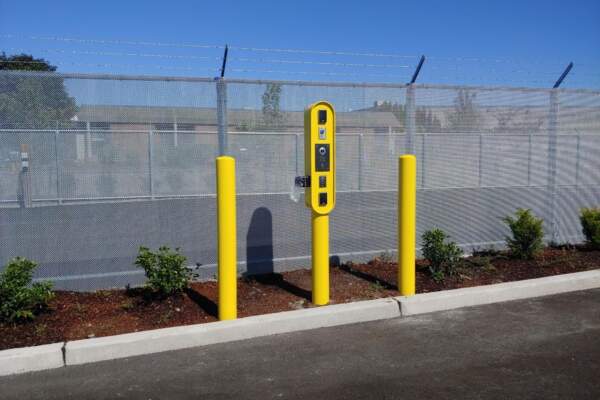
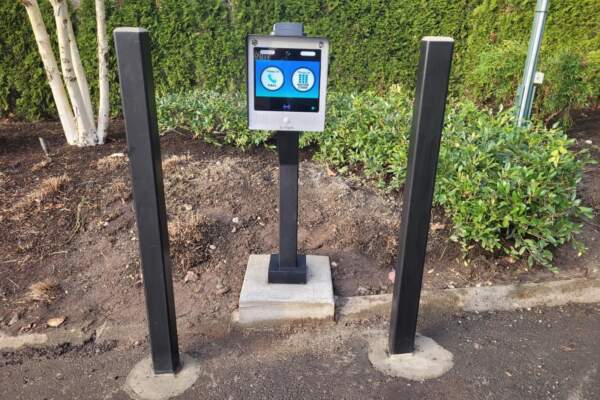
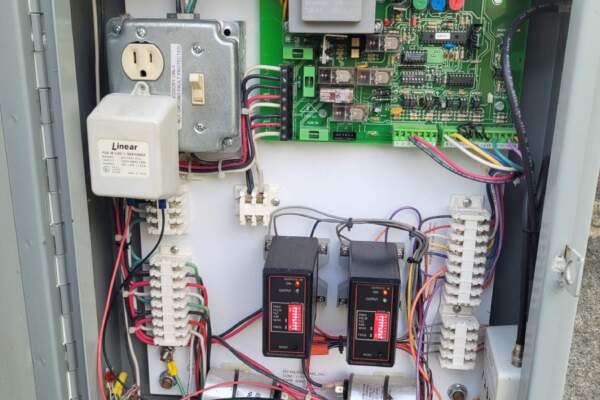
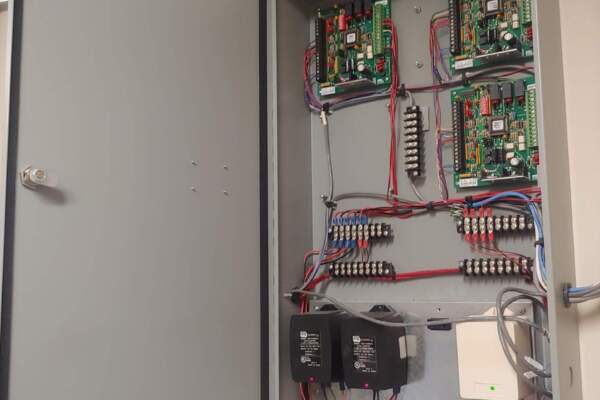
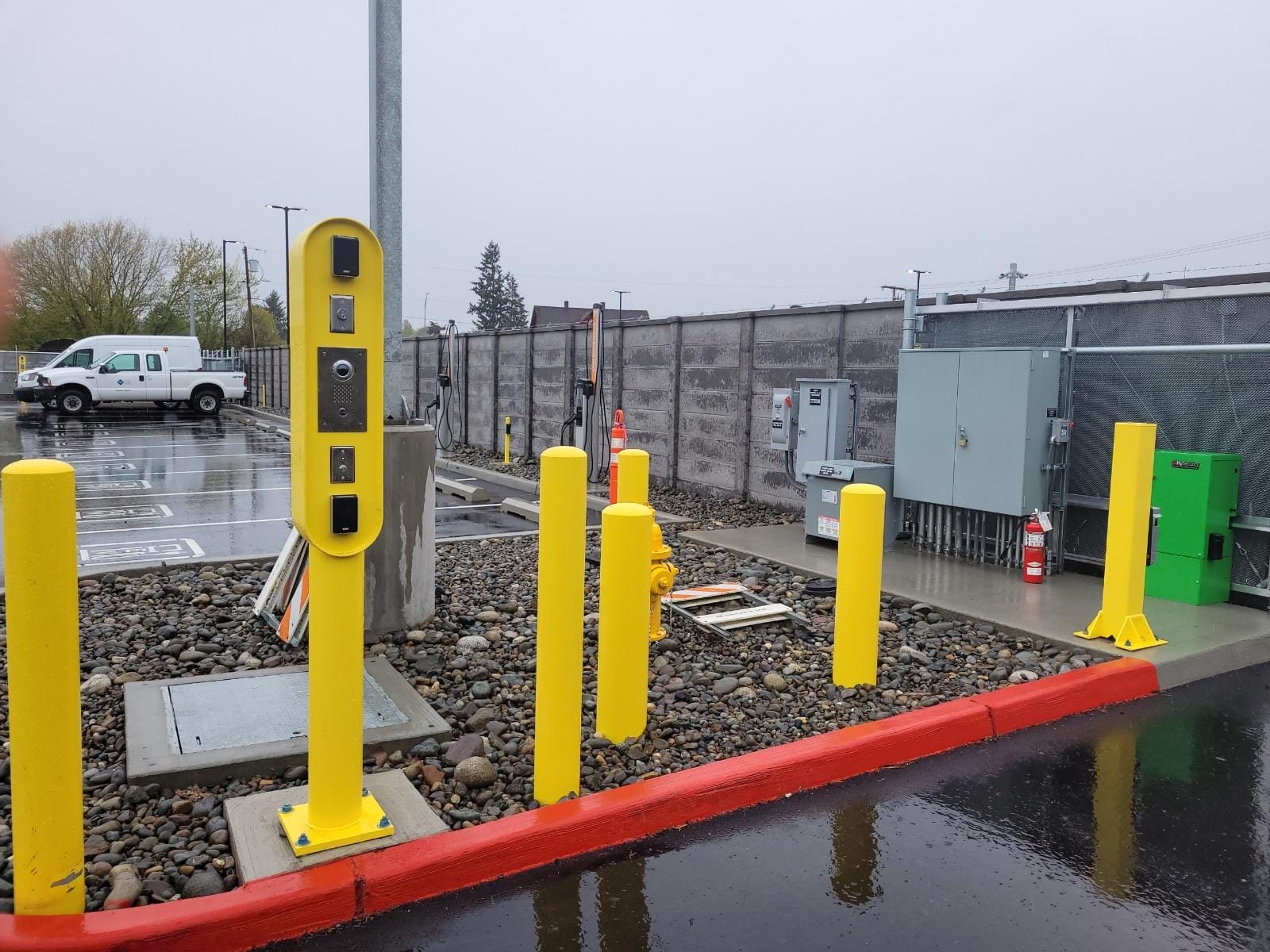
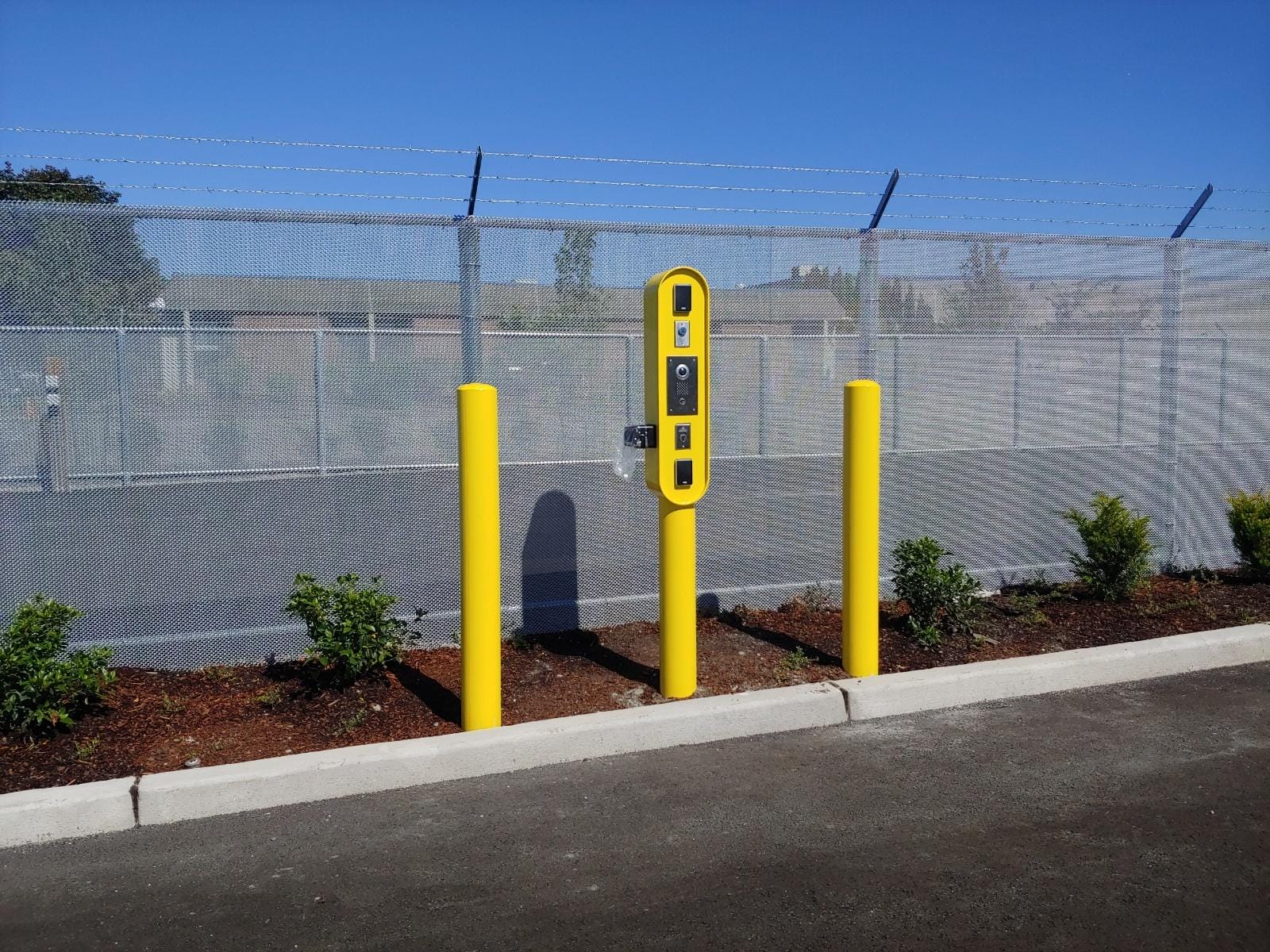
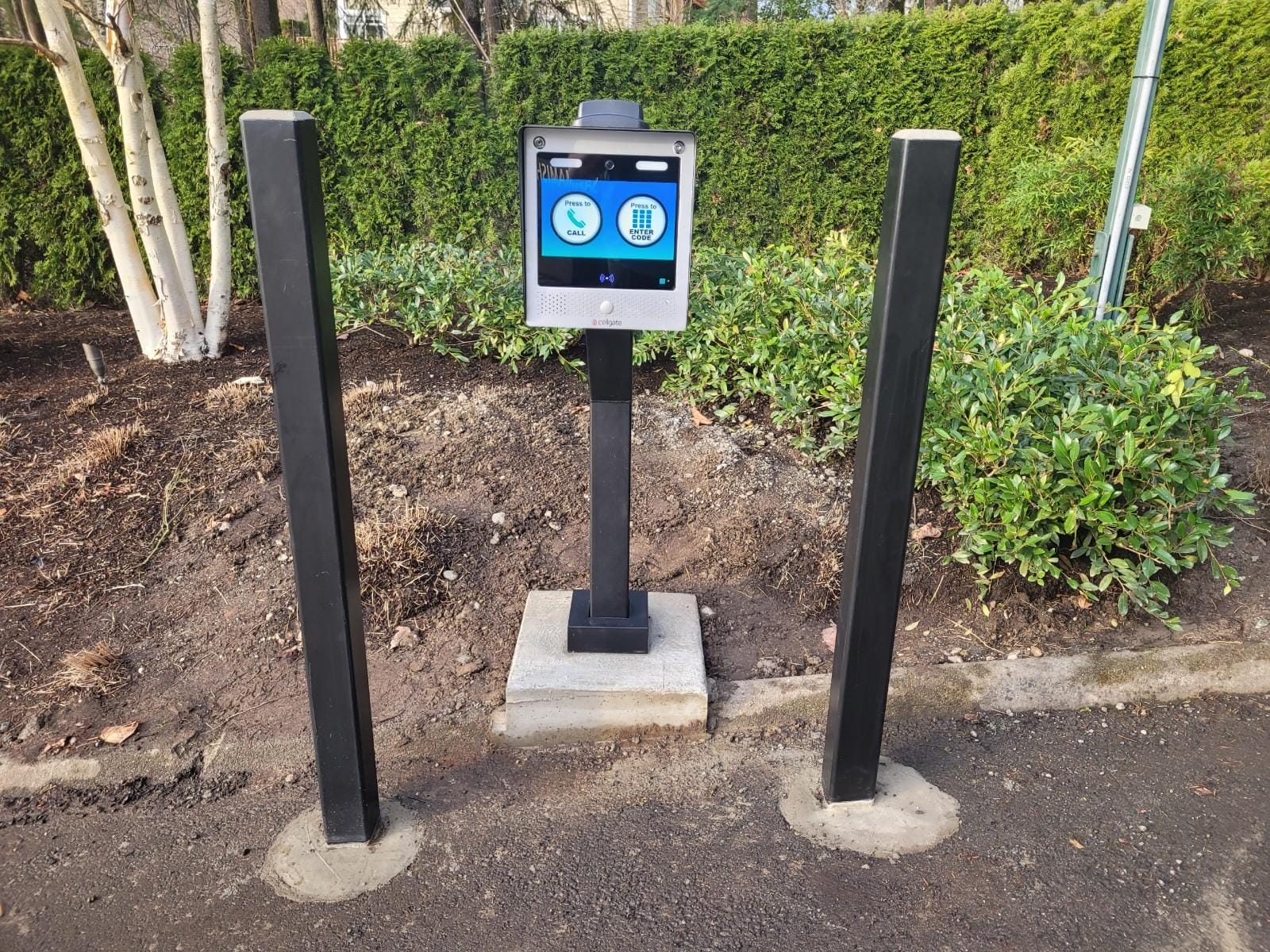
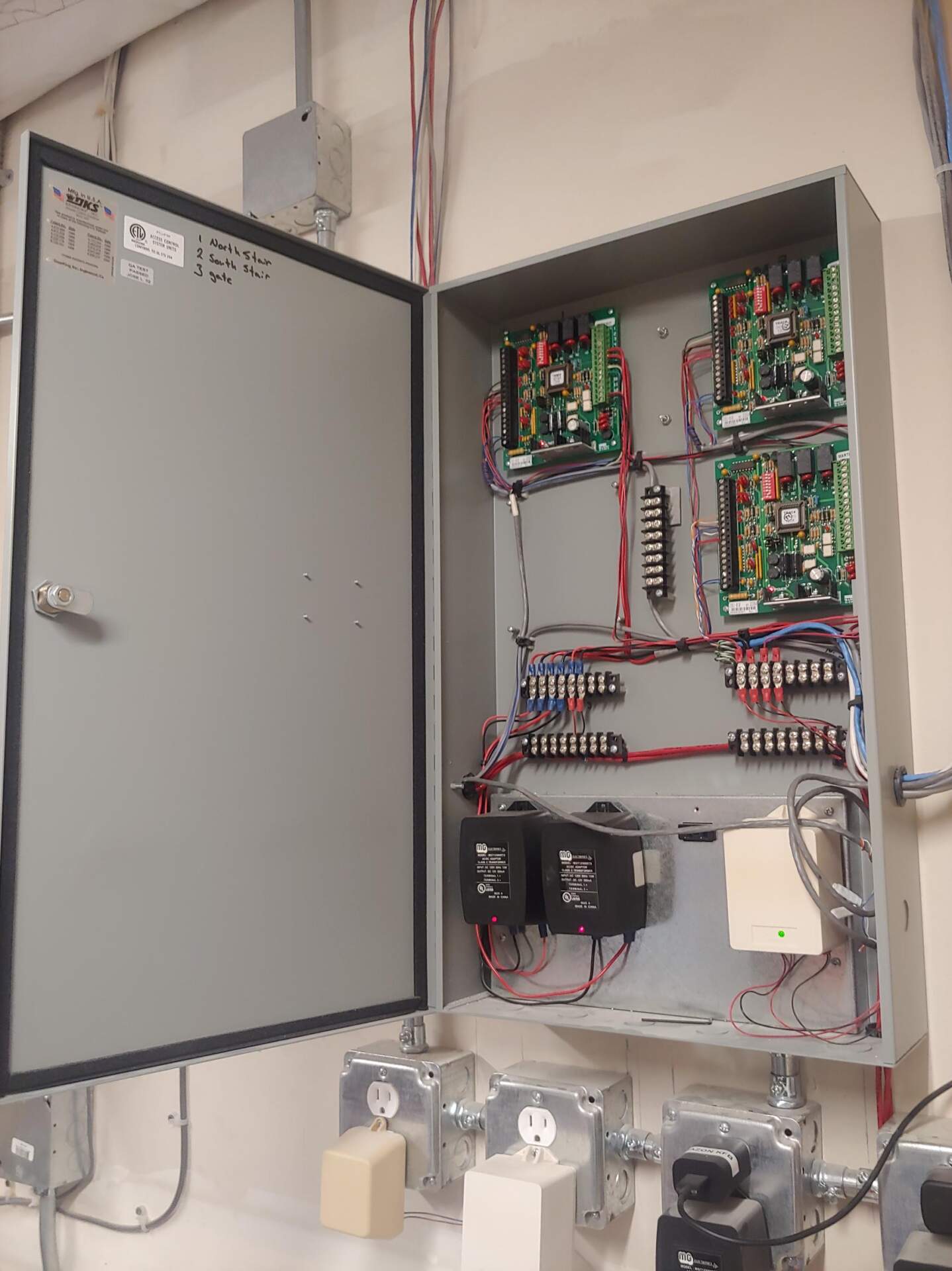
A gate can be mechanically sound and still be frustrating to use because the access system around it has fallen behind. Keypads, clickers, call boxes, and cellular systems have their own lifespan, independent of the gate itself.

Updating Outdated Access Control

Older cellular entry systems depend on the networks they were designed to use. When carriers retire older network technology, the gate may be perfectly functional while the device controlling access is no longer supported. Upgrading the access system can solve that problem without changing the gate.

Managing Remotes and Credentials

It can be difficult to know exactly who still has the ability to open your gate. Former tenants, employees, and contractors do not always return remotes, and over years of turnover, physical credentials can accumulate well beyond the people who are supposed to have access today.

Remote Access Management

Modern phone- and cellular-based systems can make it possible to grant or remove access without retrieving a physical remote. For HOAs, commercial properties, and multi-tenant buildings, that can make turnover much easier to manage. Instead of tracking down hardware, access can be updated as the people using the property change.

Tracking Property Access

Traditional clickers open a gate. Modern access control can also create a record of who entered and when. That can be useful anywhere multiple employees, tenants, vendors, or contractors use the same entrance and the property manager needs more visibility than a shared keypad code can provide.

When the Property Changes Around the Gate

Sometimes the gate works exactly as designed; the property has simply changed around it. More traffic, different tenants, new delivery patterns, or changing security needs can make an older setup less practical than it once was.

Request Service Now
  • Upgrades for Higher Gate Traffic

    More vehicles mean more cycles. Equipment sized for the way a property operated years ago may wear faster when asked to handle today’s traffic. This is especially important for commercial and multi-tenant properties, where a gate stuck open creates a security problem and a gate stuck closed can leave vehicles backed up outside.

  • Updating Access for Deliveries

    Many older gate systems were designed before frequent residential and commercial deliveries became routine. If packages are regularly left outside the gate or drivers rely on a shared code that has been circulating for years, access control may no longer match the way the property actually operates.

  • Emergency Access

    Check whether emergency responders have current access to the property. If there is a Knox Box or similar emergency access system, confirm that the key or credential inside still works. Someone on the property should also know where the gate’s manual release is and how to use it. Emergency access is something to verify before it is needed, not while a fire truck or ambulance is waiting outside.

  • Power Outages and Backup Access

    Know whether your gate is configured to fail open or fail closed, whether it has working battery backup, and how to operate the manual release. Those answers matter during Washington windstorms and outages. Depending on the property, they can also affect security or evacuation access.

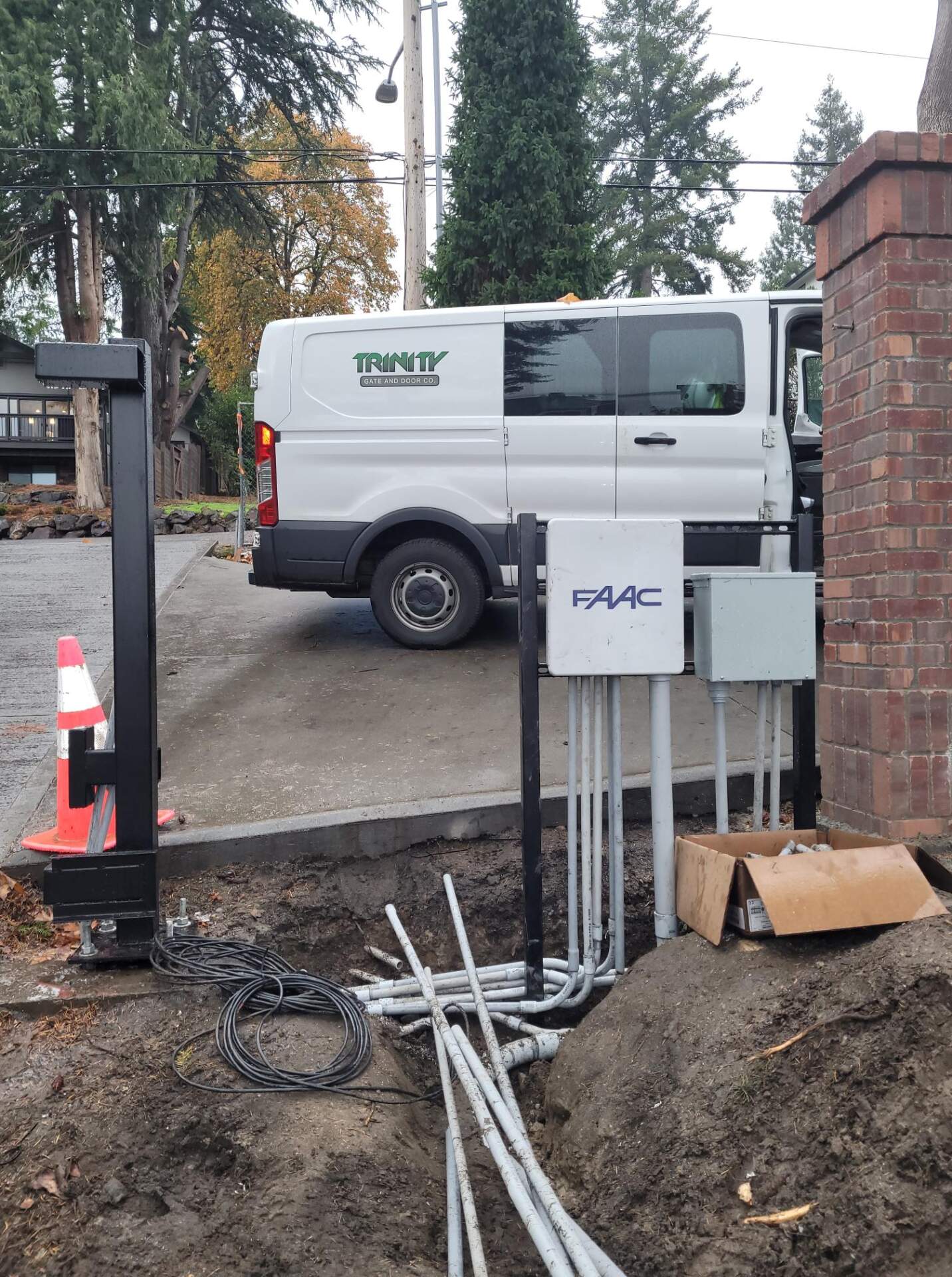
Black metal automatic swing gate with a gate operator on a residential driveway

UL 325 Safety Retrofits

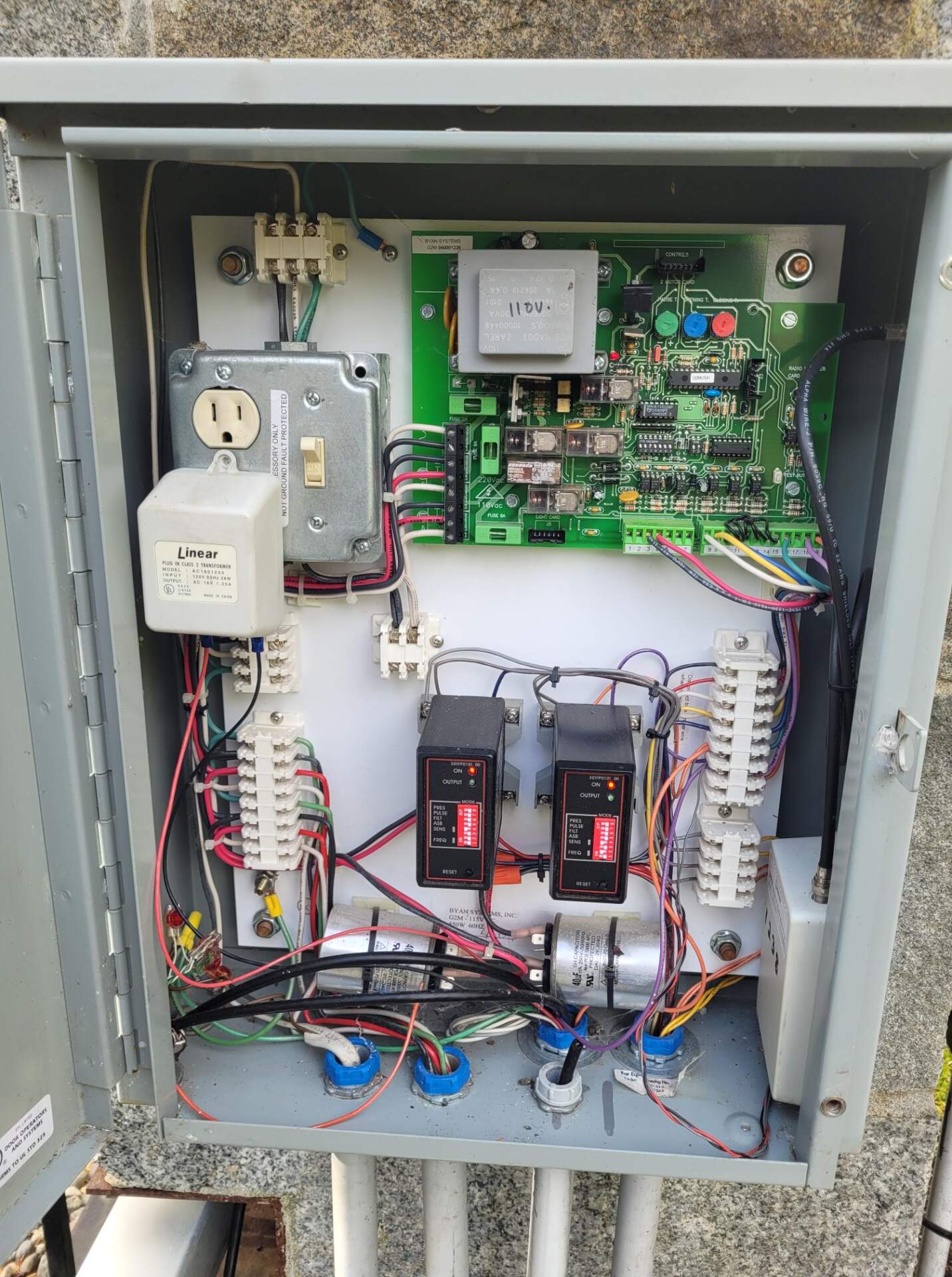
UL 325 is the safety standard that applies to automated gate operators. A gate can open and close normally and still be missing safety features expected of a current automated system. Older equipment does not necessarily need to be replaced wholesale to address those gaps. Bringing a structurally sound gate back into compliance is usually the cheaper path.

What UL 325 Requires

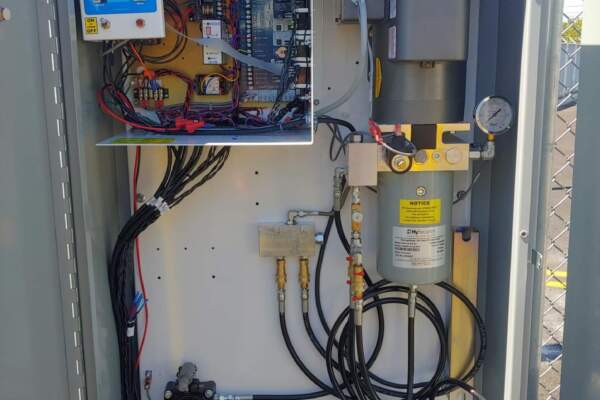
Automated gate safety involves more than simply whether the gate reverses. Depending on the gate and system, items to evaluate include obstruction detection, photo eyes or other monitored entrapment-protection devices, warning signage, pinch and entrapment areas, and whether the operator is appropriate for the gate’s use.

The physical gate matters too. Slide gates should be protected against running off their track, and pedestrian traffic should not be routed through an automated vehicular gate.

Checking Your Gate for Safety Issues

Start with what you can safely see. Look for warning signs on both sides of the gate. Check for photo eyes near the opening and obvious pinch or entrapment points where the moving gate meets a post, fence, or other fixed object.

If you test reversing behavior, never use your hand, foot, a child, or a pet. Use an appropriate solid object and stay clear of the moving gate. Some checks require access to the operator or knowledge of the equipment. If you cannot safely confirm something yourself, leave it for a technician.

Bringing Older Gates Into Compliance

If the gate itself is structurally sound, safety devices, controls, and operator equipment can often be updated without replacing the entire gate. That is the difference between a retrofit and a rebuild: keep the usable structure and bring the system around it current.

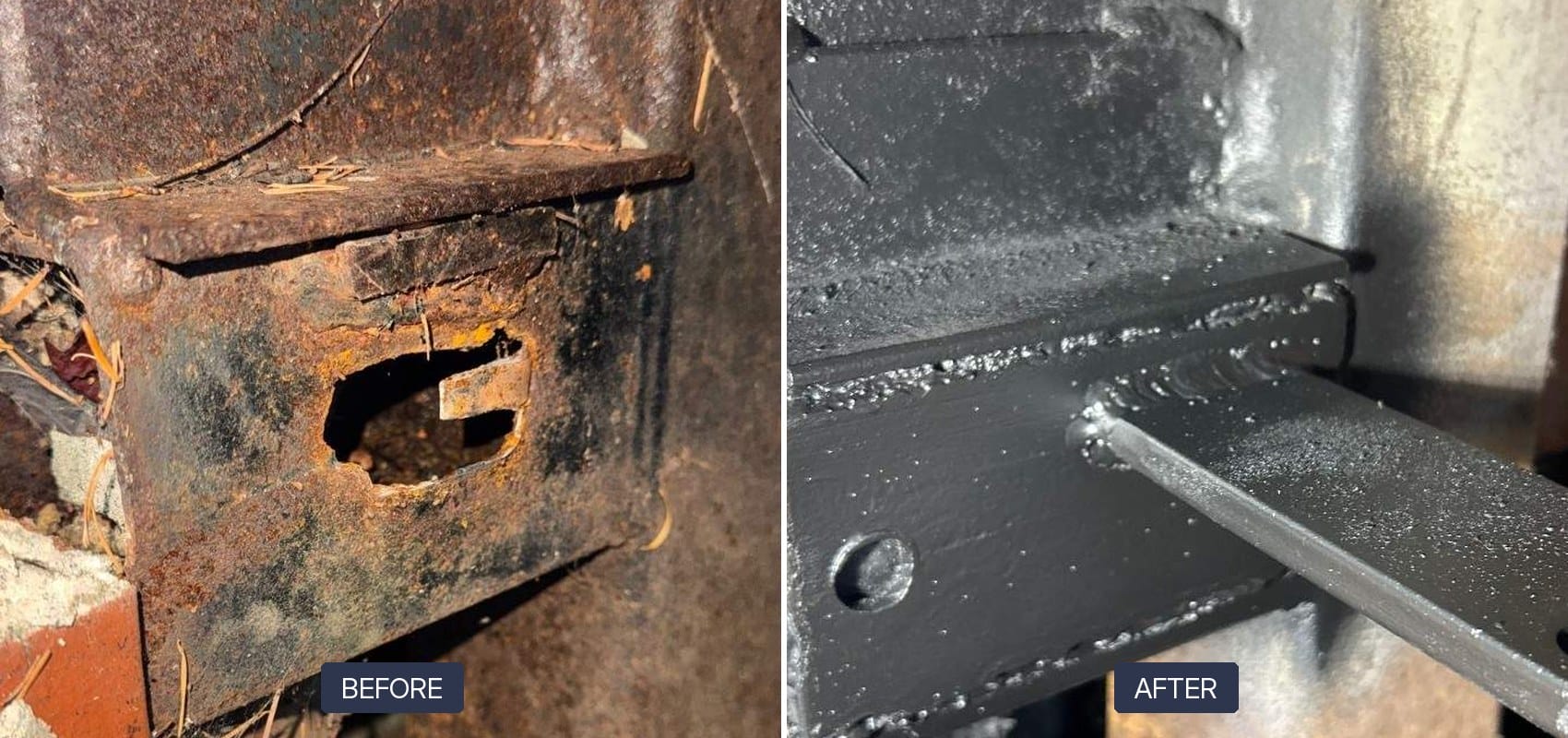
Before and after of a rusted gate bracket replaced with new steel hardware

When the Gate Itself Needs Attention

Operators, controls, and safety equipment can all be changed. The condition of the gate itself determines whether those upgrades are worth making.

Evaluating the Existing Gate

Look at the gate leaf, posts, hinges, or track before investing in the equipment attached to them. Significant rust, sagging, damaged posts, or a frame that is no longer square may need attention first.

If the structure is solid, almost everything around it can be brought current without replacing it.

When Replacement Makes More Sense

Replacement becomes the better option when the gate itself is too damaged or deteriorated to support the equipment being added to it. That is why the structure should be evaluated before specifying a new operator or access system. Bringing a structurally sound gate back into compliance is usually the cheaper path. If the structure is no longer sound, fixing that comes first. If replacement turns out to be the right call, here is what to ask before you buy a gate.

Why Choose Trinity Gate?

Trinity Gate has worked on automated gate systems across Washington since 1979. Our technicians repair, maintain, and upgrade existing gates, so our first question is not what we can replace. It is what is still working, what needs attention, and what can be brought current.

Our work is performed by our in-house crews, and every system we work on is brought to current UL 325 safety requirements. Because we service equipment from a wide range of manufacturers, an aging operator or outdated access control system does not automatically mean starting over with an entirely new gate.

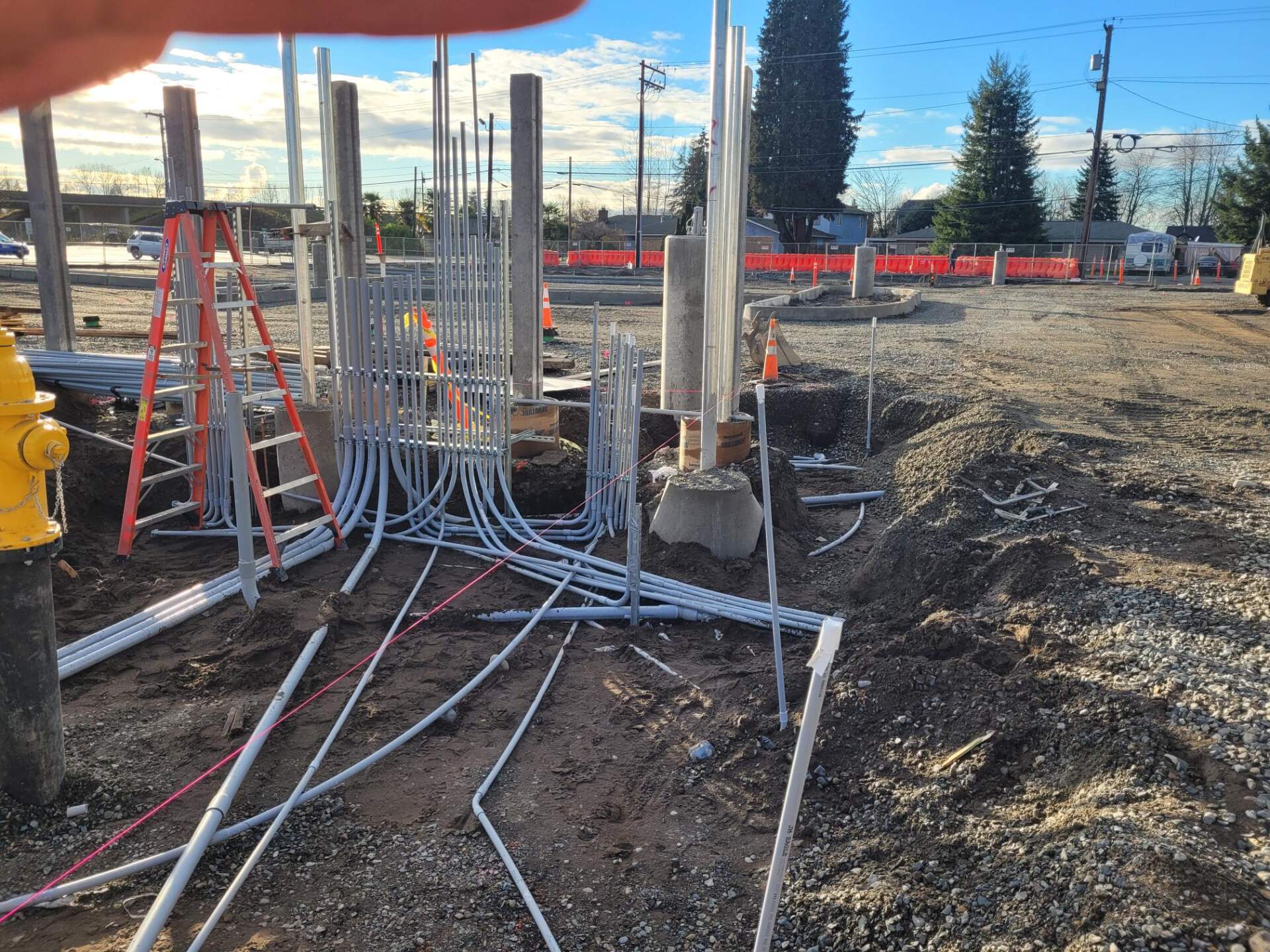
Electrical conduit being installed for a new commercial gate system

Equipment We Work On

Trinity Gate technicians work on existing systems from manufacturers including CellGate, DoorKing, DoorBird, FAAC, HySecurity, LiftMaster, Linear, Byan, Chamberlain, Viking, and KnoxBox. Having one of these systems already installed does not mean you need to start over when one component becomes obsolete or needs upgrading.

See Our Recent Work

Frequently Asked Questions

Can an Older Manual Gate Be Automated?

Sometimes. Automating a manual gate is treated as a new installation because it usually requires power at the gate, conduit, controls, and safety equipment, which most manual gate sites do not already have. The gate and posts also need to be sound enough to carry an operator. We start by looking at what is already there.

Can I Upgrade Access Control Without Replacing the Operator?

In many cases, yes. Access control and the operator perform different jobs and do not necessarily need replacement at the same time. A keypad, call box, intercom, or credential system may be upgraded while a serviceable operator stays in place.

How Often Should an Automated Gate Be Serviced?

Residential gates are generally serviced once per year. Commercial gates with heavier use may need maintenance two to three times per year. The right interval depends on traffic, equipment, and the conditions around the gate.

Can Gate Upgrades Be Done in Stages?

Some non-safety upgrades can be prioritized over time based on the condition of the equipment and how the property uses the gate. Safety issues are different and should be addressed when identified.

A system assessment can separate what needs attention now from what can reasonably wait.

Already Up to Date? Keep It That Way

Once the equipment is current, regular service is what protects it. A gate runs outside every day, so components wear, hardware shifts, and batteries age whether or not anything has been upgraded. Residential gates are generally serviced once a year, and commercial gates with heavier use more often. Our preventive maintenance plans cover that scheduled work.

Download the Gate Modernization Checklist

Not sure whether your existing gate needs a few targeted upgrades or a more complete modernization? Use our Gate Modernization Checklist to review the major components of your system, identify potential weak points, and see where an upgrade may make sense.

Download the Gate Modernization Checklist

Bring Your Existing Gate Current

If your gate is broken, repair it. If it is working, maintain it. If it still works but no longer does what you need, that is where upgrades and retrofits come in.

Trinity Gate works with existing automated gates across Washington, from operator and access control upgrades to safety retrofits and damage repair. Reach us Monday through Friday, 8 am to 4 pm, to talk through what has changed and what your gate needs now. We cover properties across Washington State.

Call Now: 425-881-3554Request Service